What bees can teach us about teamwork
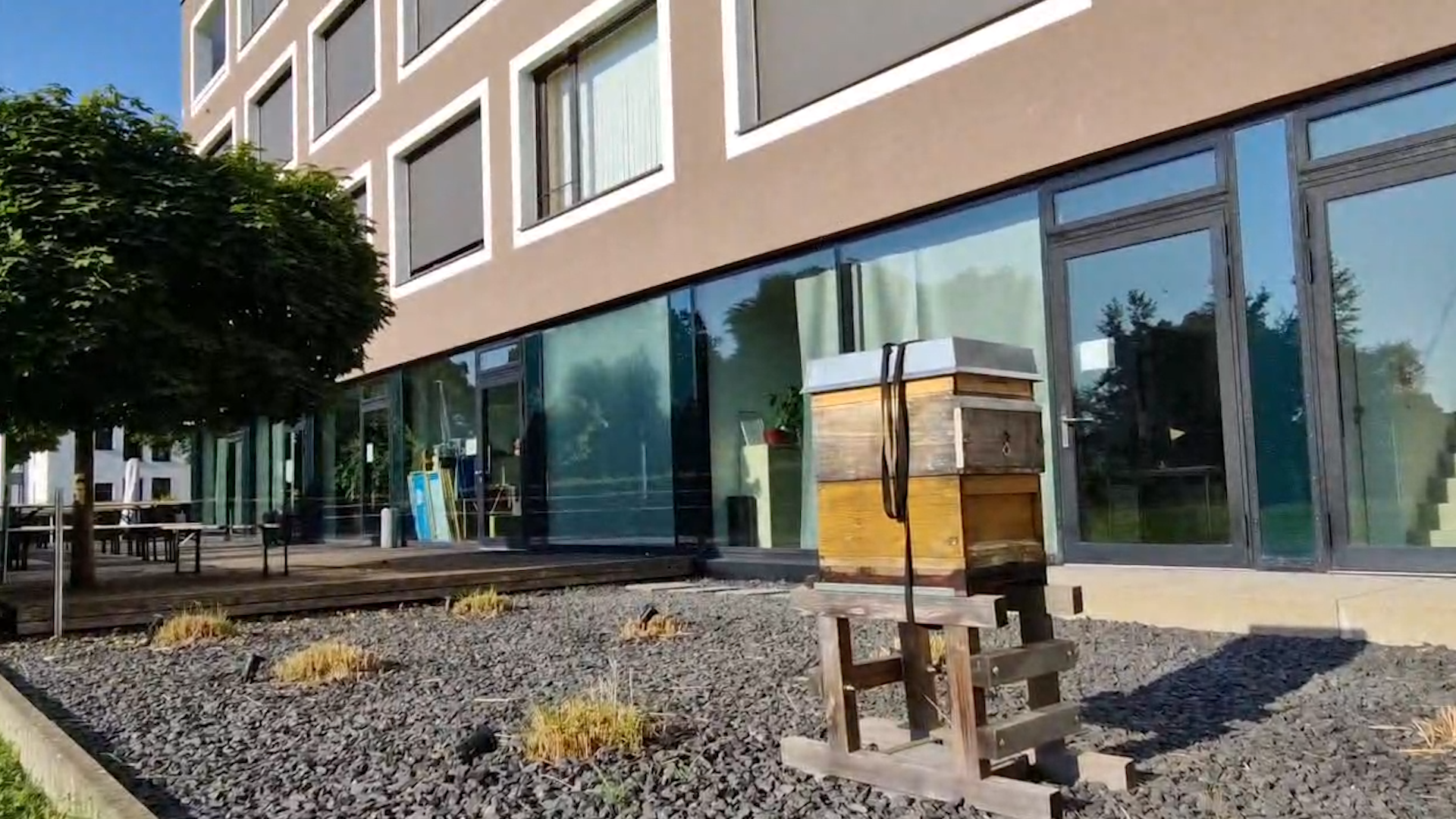
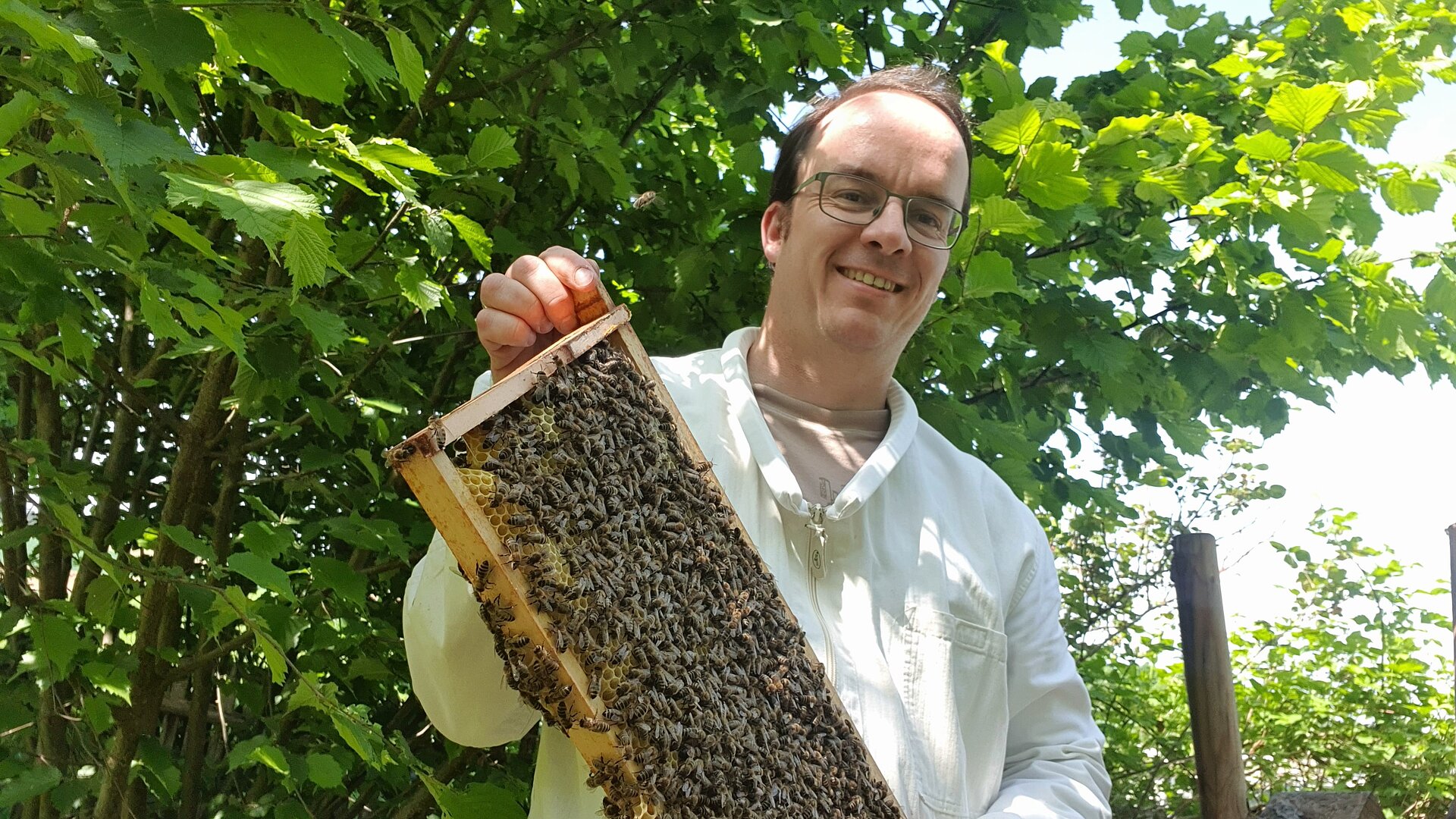
When people think of bees, they usually think of honey, flowers, or the famous bee dance. Our colleague Jens Wening, however, takes a closer look. He’s not only Senior Vice President Supply Chain & Internal Engineering, but also a passionate beekeeper in his free time – the beehive in front of our office building, for example, is under his care.
In a conversation with us, Jens explained why the way a bee colony lives together never ceases to fascinate him and what parallels can be drawn to successful teamwork.
Leadership provides direction
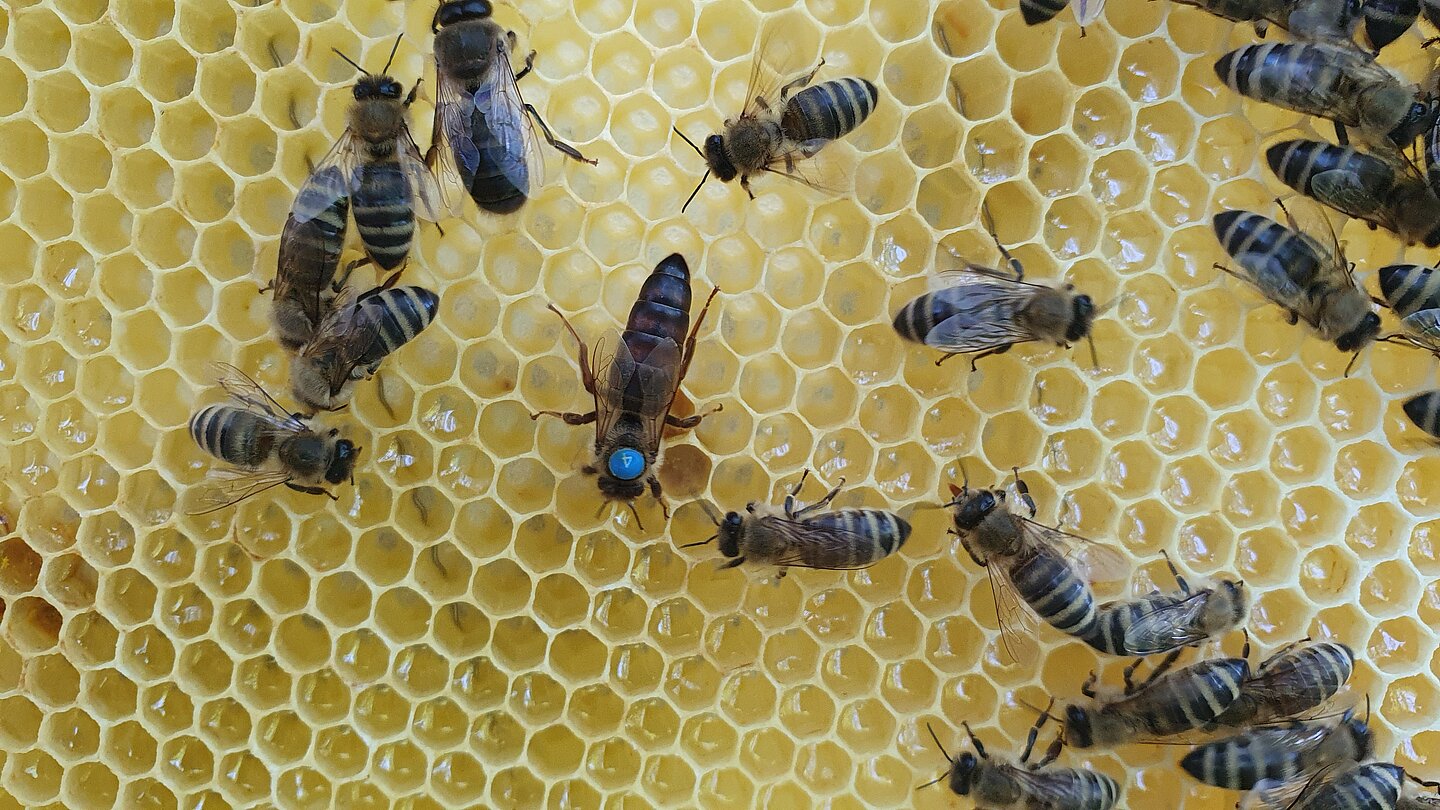
A common assumption is that the queen bee controls the colony. In fact, her role is quite different: “The queen is not the boss.” As Jens explains, the queen plays a central role in the cohesion and continuity of the colony. However, she does not control the individual tasks carried out by the bees. For Jens, this offers an interesting perspective on leadership: Not every individual task needs to be prescribed. What matters is providing direction, creating a shared framework, and enabling teams to act independently within it.
Dynamic roles
In a bee colony, not every bee performs the same task throughout its entire life. Roles change depending on age, season, needs, and the condition of the colony. In companies, tasks change as well. New priorities emerge, colleagues continue to develop or cover for one another during vacation or illness. This allows teams to remain adaptable even as roles, responsibilities, and priorities change.
Efficient communication
Communication within a bee colony is remarkable. Bees communicate through pheromones, dances, vibrations, and their behavior. Jens describes how quickly information can spread throughout a bee colony and how many processes function without central control. There is an important lesson for teams here as well: Clear communication helps teams make efficient decisions, even when many people are involved.
Change is part of the process
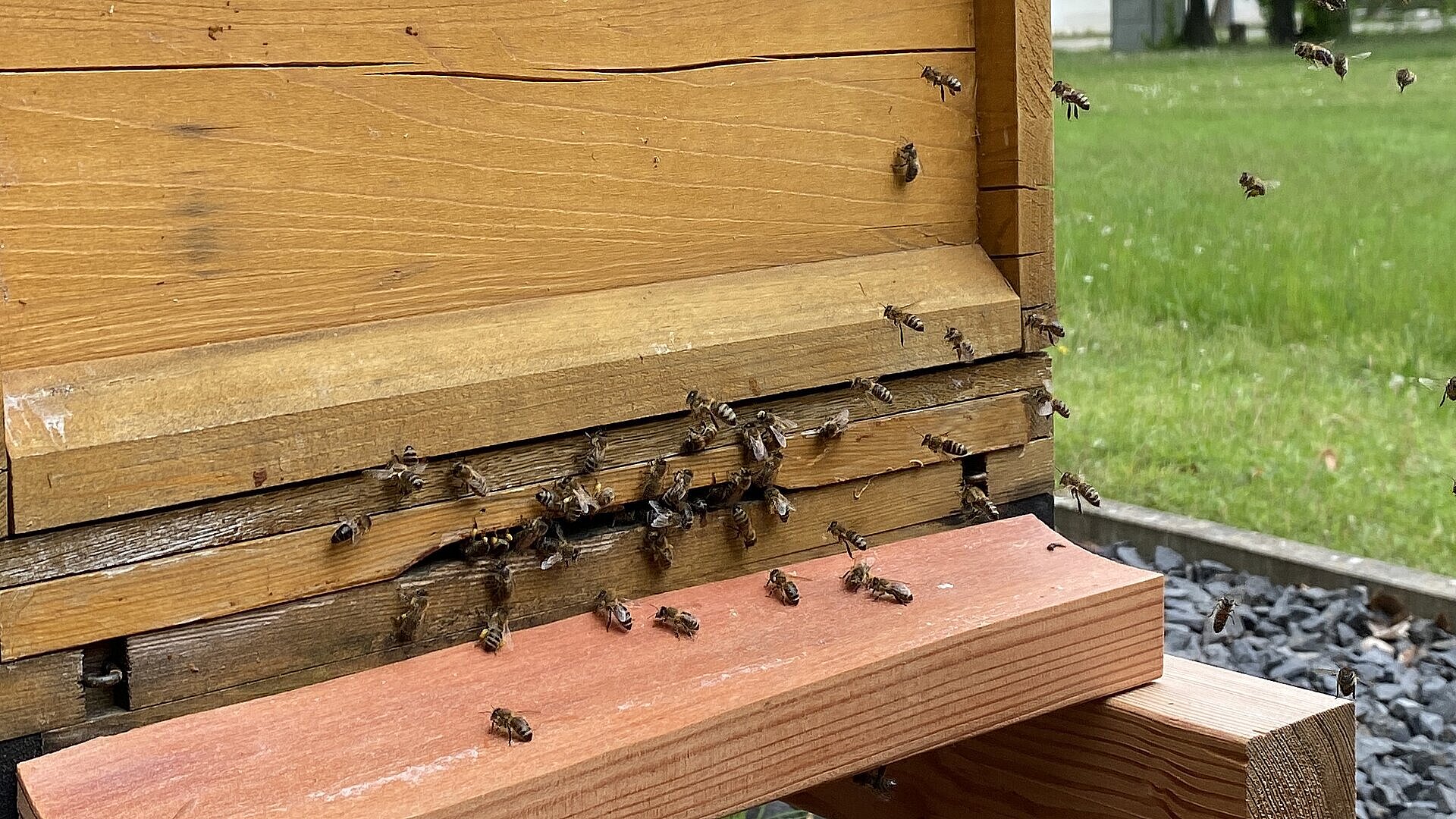
A bee colony is not a static system. Roles change, the colony adapts to its environment, and it continues to develop. The same is true of companies: responsibilities and priorities shift, people take on new roles, and teams continue to evolve.
Resilience in challenging times
Winter is a challenge for bees every year. Do they have enough food reserves? Is the colony healthy? Can it survive the winter? Winter shows how resilient a bee colony is as a whole. Its food reserves, health, and the way its members work together all determine how well it gets through this period. This idea of resilience also applies to organizations: Structures and teams should be able to function not only under ideal conditions.
Strength is evident in the system as a whole
For Jens, one of the greatest similarities between a bee colony and a successful team lies in the interaction of all participants. A bee colony does not benefit from individual, particularly high-performing “super bees.” What matters is that the system as a whole functions and that each bee makes its own contribution.
Knowledge and responsibility are also distributed throughout the colony. This means that the colony does not depend on a single individual. This distribution makes it particularly resilient. Bees work toward the functioning of the colony as a whole. “That may be a little idealistic when applied to a company. But you can still create a shared sense of purpose,” says Jens. At meteocontrol, for example, that means working together toward the goal of making 100% renewable energy a reality.
Less control can be more effective
There’s one lesson from beekeeping that Jens particularly enjoys sharing with new beekeepers: “You can actually ‘watch a colony to death’ – that is, if I check on the colony every other day, I’m causing more disruption than I’m helping.” The same can apply to companies: Constant intervention, reprioritization, or monitoring can make independent work more difficult. Good teams need trust and enough freedom to act independently.
Where the comparison has its limits
Of course, the comparison has its limits. People want to help shape their work, develop individually, and make their own decisions. A company is not a beehive. Still, the way a bee colony is organized can offer interesting perspectives on collaboration.
What can we take away from this?
So, what can we take away from Jens’ observations?
- Self-organization
- Clear, efficient communication
- Resilience
- Meaningful distribution of roles
- A shared direction
And perhaps that is the most important lesson from the beehive: The strength of a team does not come from individual “super bees,” but from how well different skills and responsibilities work together.

Jens Wening
Jens Wening is Senior Vice President Supply Chain & Internal Engineering at meteocontrol. Together with his teams, he focuses on ensuring that processes, structures, and technical solutions work reliably while continuing to evolve. Resilience, quality, and sustainability play an important role in this. His interest in how complex systems work also extends beyond his professional role: Jens is a passionate beekeeper and, among other things, takes care of the bee colony at meteocontrol’s Augsburg headquarters.