Adding intelligence to asset management

There are signs that the energy sector’s transformation is accelerating, driven by renewables and digital technologies. Yet integrating new digital tools into solar asset management and O&M is rarely straightforward, despite their very clear advantages, writes Guy de Macedo, product manager for meteocontrol’s mc Assetpilot.
The solar industry is increasingly recognizing that digital tools can deliver significant design, operational, and financial efficiencies. Software start-ups and scale-ups are providing project design, generation modeling, and sales tools for project developers, EPCs, and installers, and many of these have already demonstrated strong success in attracting investment.
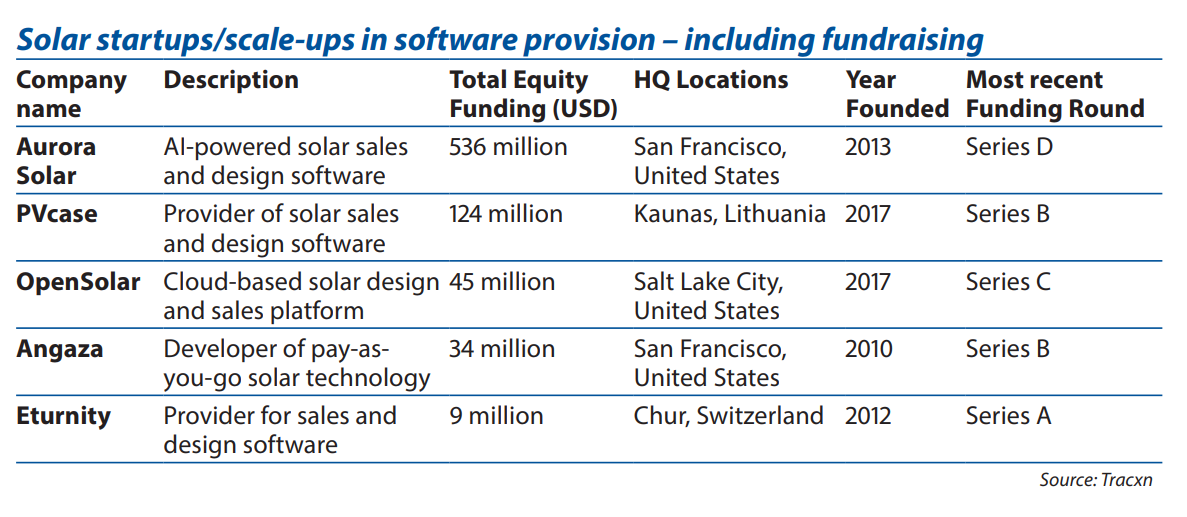
Emerging solar software providers have collectively raised close to $1 billion over the last few years, according to startup database Tracxn. Notable examples include Aurora Solar ($536 million), OpenSolar ($45 million), and PVcase ($124 million). While this trend is encouraging and highlights the promise of digital tools to accelerate the rollout of solar and battery energy storage systems (BESS), there are still significant opportunities left on the table.
New software solutions could further optimize the operation of PV and BESS assets – improving power output, financial performance, and the long-term durability of arrays. Yet developing software that meets the needs of solar project developers, EPCs, and asset owners is anything but straight-forward. And in a fast-moving market, success is crucially dependent on technical expertise and close collaboration with customers to fully realize the value that smart digital tools can bring to the global solar industry.
Rapid changes
The list of challenges facing renewable energy project owners and operators is a long one. It is clear that energy markets are undergoing a period of unprecedented change. Shifting government policies, low (and even negative) daytime power prices, and the increasing frequency of extreme weather events as the result of a changing climate can all impact project outcomes – almost on a daily basis.
For asset management software providers, this creates constantly shifting priorities and demands. With user requirements evolving rapidly, development teams are often struggling to keep pace. It can feel like a neverending game of catch-up, made riskier by the fact that what seems urgent today may completely lose relevance by tomorrow.
In this environment, carefully defining the long-term use case of each product feature becomes critical, and continuous monitoring and application of user feedback not only refines product functionality, but it also uncovers new insights that can create lasting value for both users and providers.
Customer feedback
How customer feedback can shape ongoing product development was recently highlighted at meteocontrol. As our teams continue to roll out the mc Assetpilot platform, designed for the efficient financial management of renewable energy assets, user insights have directly informed new functionality.
One of mc Assetpilot’s core features is automated reporting, which helps project stakeholders track asset performance and meet compliance requirements. Reporting is often a major pain point for asset managers, so this feature delivers immediate efficiency gains. During use, one customer suggested that being able to add tracked comments to reports would further enhance their business processes.
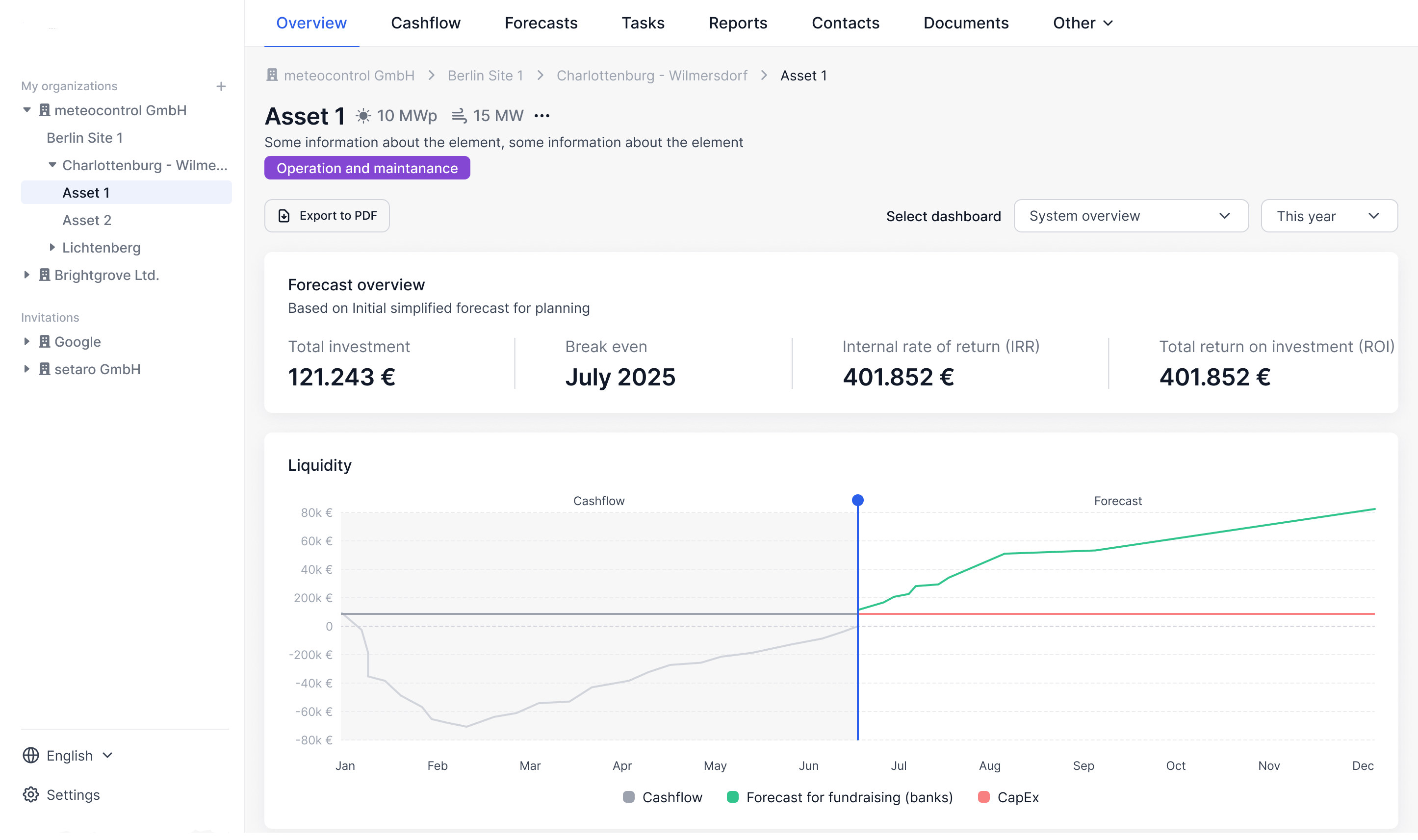
Our developers took this idea a step further, realizing that the sustained tracking of events related to an asset’s financial performance, and the ability to reference back and compare interventions or events, would add even greater value. This led to the creation of a logbook function. Negative events such as power outages (with zero generation or consumption) or positive O&M interventions (module cleaning or corrective maintenance that boosts production) can now be recorded systematically.
The result is an ongoing, transparent record for all stakeholders. Unexplained events become visible, while the effectiveness of O&M activities can be clearly monitored and evaluated.
Resource challenges
The operational phase of projects still receives far less attention than it should. For many software providers, the operation of existing PV assets remains a lower priority than project development, leaving O&M and asset management as the “poor cousin” of the development cycle. Santiago Beltran, who led Wood Mackenzie’s solar O&M research until September, describes the dynamic clearly. “The primary obstacle repeatedly mentioned is the economic disconnect between expectations and investment capacity. While asset owners consistently express interest in advanced digital capabilities, this rarely translates to pricing structures supporting the necessary technology investments.”
This disconnect leaves significant untapped value. At the same time, fast-emerging technologies such as AI and machine learning are beginning to shift the equation. AI’s ability to process vast amounts of data is expanding what can be achieved in renewable energy O&M, creating new efficiencies and enhancing asset managers’ capabilities.
AI opportunity
AI is already being applied across the renewable energy industry when and where the fast-changing energy system needs it most. Within the mc Assetpilot platform, AI is being used in contract management to automate reporting and ensure obligations are met. For example, a typical solar project may involve more than 20 contracts, each with 10 or more obligations.
For asset managers overseeing ever-growing project portfolios, AI can transform what was once an unmanageable manual task into an achievable process, in addition to reducing the risk of costly penalties from unmet contractual requirements. As energy-industry analyst Gerard Reid recently noted on Substack, “AI is the very tool we need to manage the increasing complexity of the power system.”
This article originally appeared in pv magazine (Issue 11 | 2025): to the original article.

Guy de Macedo
He is product manager of mc Assetpilot at meteocontrol. Therefore, he oversees customer engagement with the application, including the development of new features